
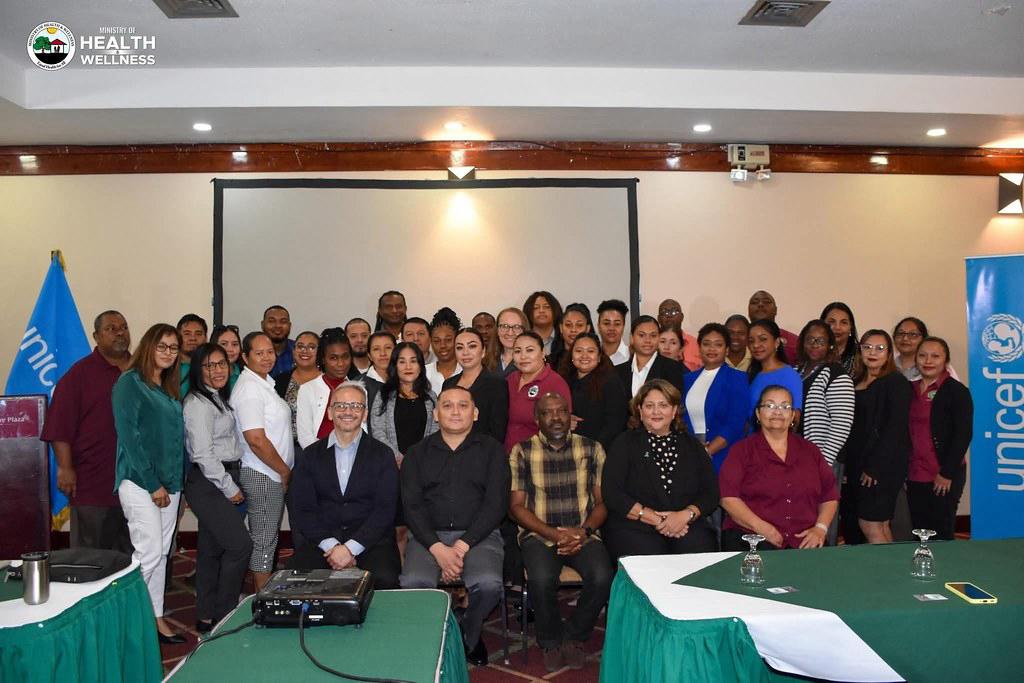
Adolescent substance use prevention in Belize requires services that understand the needs, experiences, and circumstances of young people. Recently, I attended a national training focused on stigma, discrimination, and adolescent-friendly services for young people affected by substance misuse.
The Ministry of Health & Wellness (MOHW) hosted the training with technical and financial support from UNICEF Belize and CICAD/OAS. The initiative focused on reducing service gaps and strengthening appropriate support for adolescents who may be at risk of or experiencing substance misuse.
Strengthening Adolescent Substance Use Prevention in Belize
I participated in the training as Vice President of the Mental Health Association of Belize, Clinical Director of Meta Belize Family Resources, a licensed trauma-informed psychotherapist, and an educator. Across these roles, I continue to see the importance of services that are non-judgmental, developmentally appropriate, confidential, and trauma-informed.
The training provided an opportunity to reflect on how professionals and organizations can better respond to young people’s needs. In addition, it emphasized collaboration among the different sectors involved in youth and mental health services.
Prevention Through Families and Schools
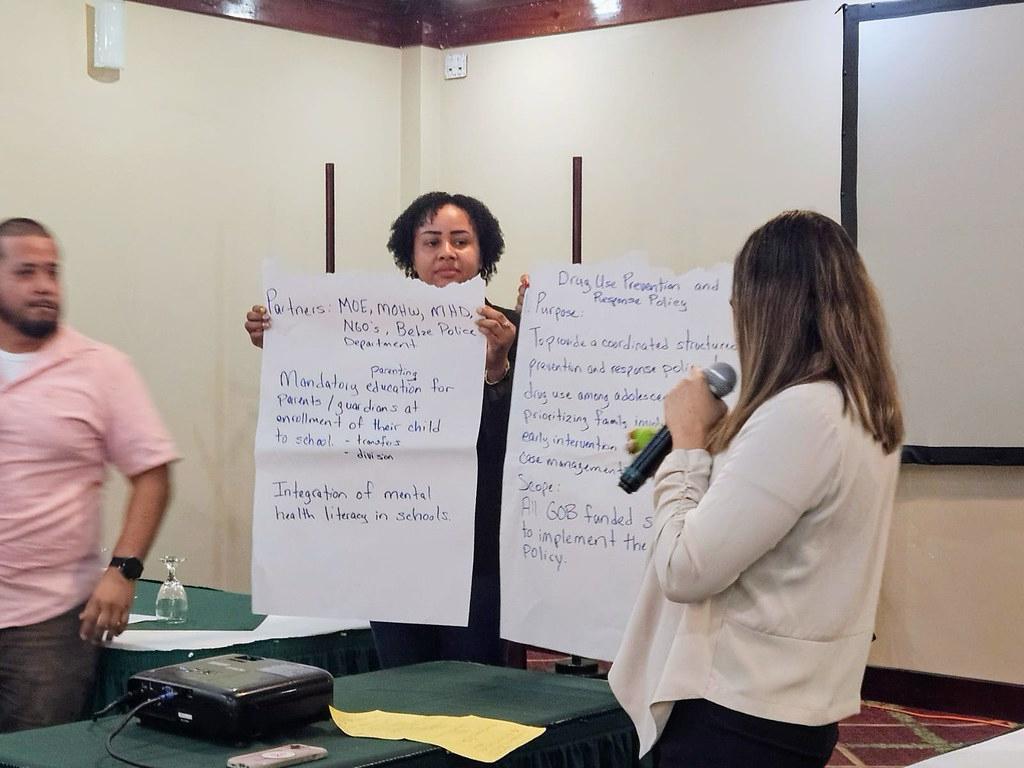
One meaningful part of the training was a collaborative group policy activity. Our team developed a prevention proposal through the lens of family systems and school-based support.
Our proposed intervention called for comprehensive prevention programs in government-aided schools, with attention to:
- Early education about substance use and mental wellness
- Parental and caregiver engagement
- Addressing social determinants of health, including poverty and access to childcare
- Embedding culturally responsive and trauma-informed practices across youth services
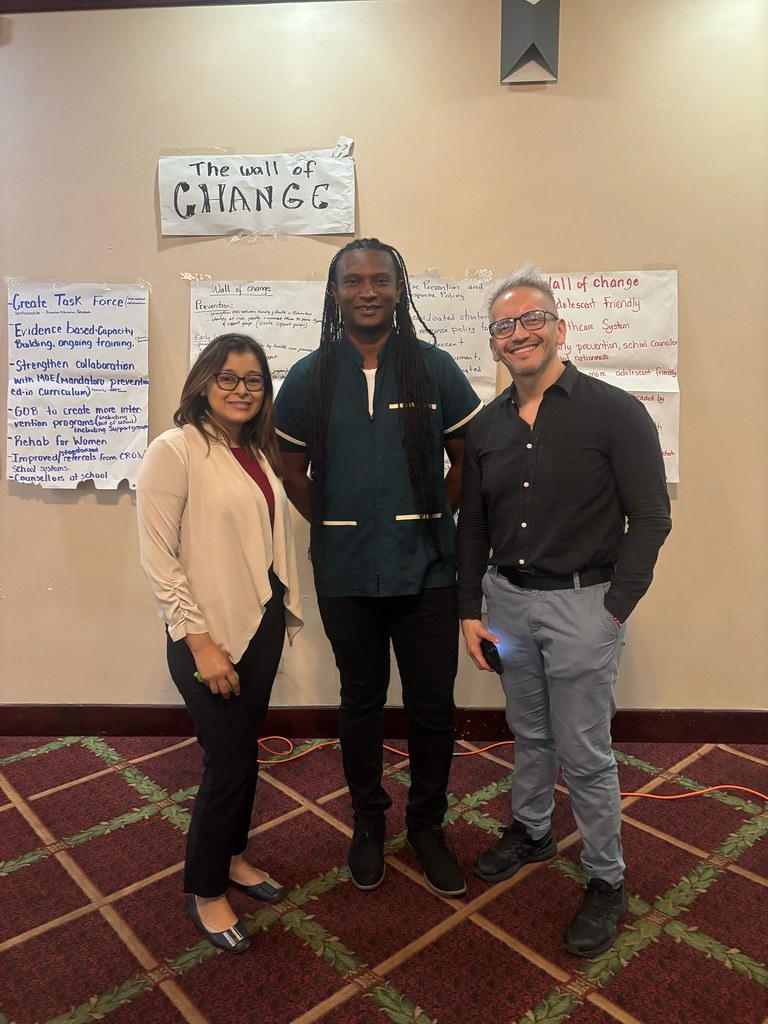
A Youth-Centered and Trauma-Informed Approach
Adolescent substance misuse can involve many interconnected factors. Trauma, family circumstances, social connection, mental health, poverty, school experiences, and access to appropriate support can all be relevant. Therefore, prevention efforts should consider the broader environment surrounding each young person.
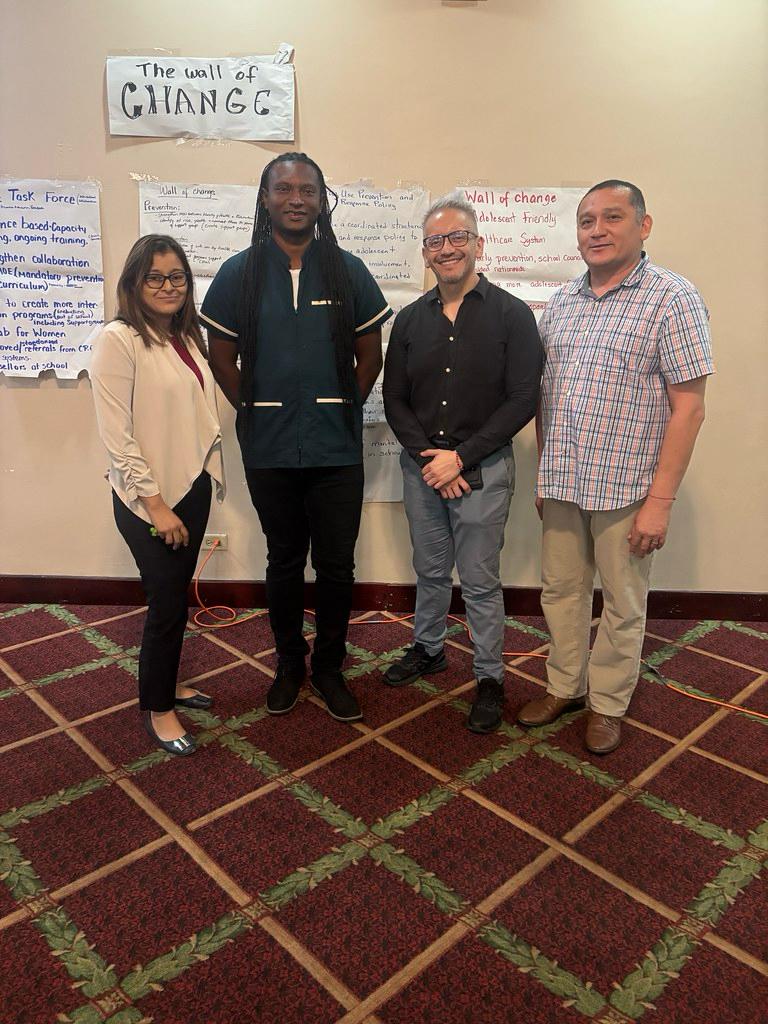
This training brought together stakeholders committed to reducing stigma and strengthening youth-friendly systems of care. It also highlighted the value of collaboration across sectors and disciplines when addressing complex public health challenges.
For additional information about adolescent health and substance use, the World Health Organization’s adolescent health resources provide international health information and guidance.
Supporting Mental Health in Belize
I commend the Ministry of Health & Wellness, NDACC, UNICEF, and CICAD/OAS for investing in professional development and youth-focused services. Continued collaboration can help strengthen access to inclusive, compassionate, and evidence-informed support for young people.
META Belize provides information about mental health services and mental health resources in Belize. You can also contact META Belize for additional information.
Our youth deserve services that listen to their experiences, respect their needs, and provide meaningful opportunities for support.
