
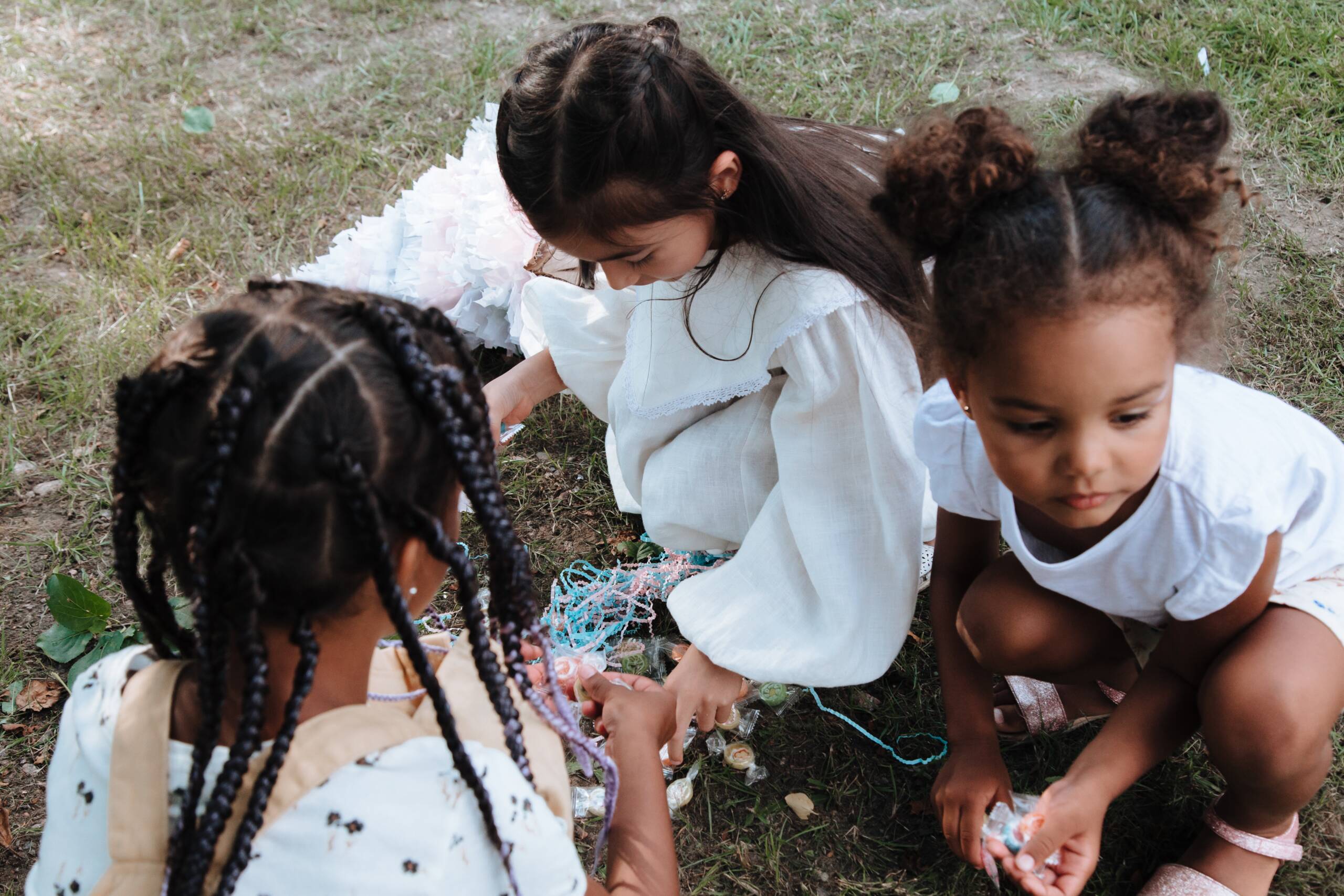
The benefits of play therapy begin with understanding that children often communicate differently from adults. No two children are exactly alike. Each child has a unique personality, temperament, interests, experiences, and needs.
One way parents can better understand their children is by watching them play and joining them. Play can give children opportunities to explore experiences, communicate feelings, and make sense of the world around them.
Why Play Is Important for Children
For many children, talking directly about difficult thoughts or emotions may not be easy. However, play provides another form of expression. Toys, stories, drawing, imagination, and creative activities can give children different ways to communicate.
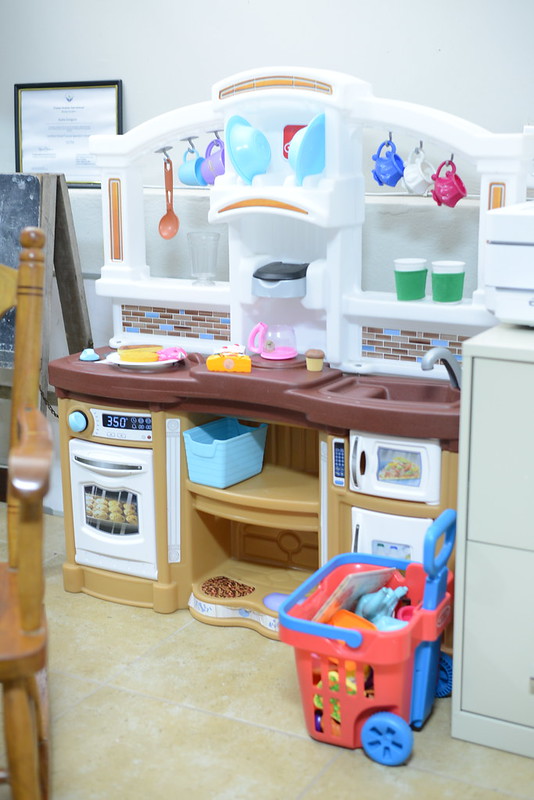
Understanding Play Therapy
Play therapy provides children with a therapeutic environment where play and carefully selected materials can be used as part of the counselling process. A trained mental health professional can observe and engage with the child while providing a supportive space for expression.
Adult psychotherapy often relies heavily on conversation. In contrast, children may use imagination and play to communicate experiences that are difficult to explain in words. Therefore, play can become an important part of the therapeutic process.
The Association for Play Therapy provides professional information about play therapy, trained play therapists, and the therapeutic use of play.
Potential Benefits of Play Therapy
Children experience many emotions, including sadness, anger, frustration, fear, and jealousy. At times, they may have difficulty understanding or communicating these feelings. As a result, emotions may appear through changes in behavior, relationships, or concentration.
One of the potential benefits of play therapy is giving children a structured environment where they can explore emotions and practice different ways of responding to challenges. The specific goals of therapy depend on the individual child and their circumstances.

When May Play Therapy Be Considered?
Families may consider speaking with a qualified mental health professional when a child is experiencing persistent emotional, behavioral, social, or family-related difficulties. Depending on the child’s needs, play-based approaches may form part of professional support for concerns related to:
- anxiety and persistent worries;
- sadness and difficult emotions;
- behavioral or emotional challenges;
- stressful or traumatic experiences;
- family changes or separation;
- difficulty communicating feelings;
- social or relationship difficulties; and
- adjustment to significant life changes.


Supporting Your Child
Parents and caregivers can play an important role by listening, observing, and creating opportunities for children to express themselves. In addition, professional support may be appropriate when emotional or behavioral difficulties begin to affect everyday life.
Every child is different. Therefore, a mental health professional can help families consider the child’s individual needs and determine an appropriate approach to support.
Learn more about META Belize’s play therapy services, explore our mental health resources, or review our other therapy services.
If you would like information about available support for your child or family, contact META Belize.
